Beyond the package: how ultra-processed foods are fueling chronic disease
More than half of the calories the average American eats now come from ultra-processed foods. The consequences are landing in our clinics, our workplaces and our schools.
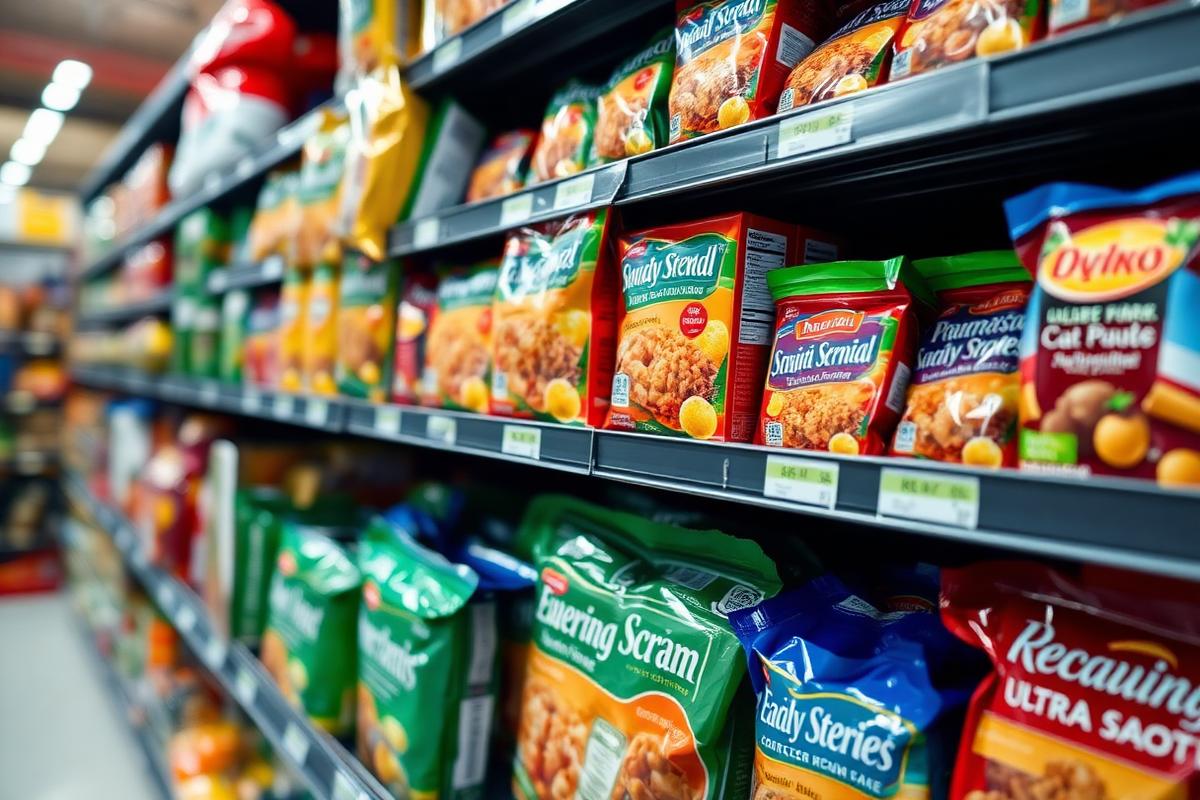
Ultra-processed foods now account for roughly 57% of the daily calories consumed by adults in the United States, and even more among children and adolescents. These aren't just chips and soda — they are industrial formulations that combine cheap ingredients with additives to hit peak palatability at the lowest possible cost.
The research linking ultra-processed intake to chronic disease has moved from suggestive to convincing. Meta-analyses now associate higher intake with elevated risk of cardiovascular disease, type 2 diabetes, obesity, certain cancers, and depression. The effects hold even after adjusting for total calories, salt, sugar, and saturated fat — which points to something about the processing itself.
At ProVention, we don't think the answer is a shame-based lecture at the grocery store. It's patient, practical support — the kind our Mediterranean Diet and Healthy Lifestyle programs are designed to deliver — that helps people rebuild plates around whole foods within real budgets and real schedules.
For public-health leaders and employers, the shift toward ultra-processed diets is also a policy question: what does your workplace cafeteria serve, what does the vending machine stock, which schools have kitchens with real produce? Prevention has to meet people where they already eat.